Missing a filing deadline can end a claim before you even file a paper. The personal injury claim statute of limitations is the clock that decides if you get paid or walk away empty‑handed. In this guide you’ll learn how the clock starts, what can pause it, and the exact steps to keep your rights alive.
Key Timeframes for Personal Injury Claims
The personal injury claim statute of limitations varies by state, but the idea is the same everywhere: you have a limited window to sue.
Most states start the clock when the accident happens. A few states wait until you discover the injury. The statute of limitations chart breaks down each rule in plain language.
And the length of time also depends on the type of harm. A car crash usually gives you three years. A medical malpractice case may give you two years and six months. Wrongful death claims often have a two‑year limit.
But there are hidden traps. Some states have a “discovery rule” that resets the clock when you first notice the injury. Others have a “statute of repose” that cuts off any claim after a set number of years, no matter what.
Here are three quick tips to stay safe:
- Write down the accident date the day it happens.
- Check your state’s rule for when the clock starts.
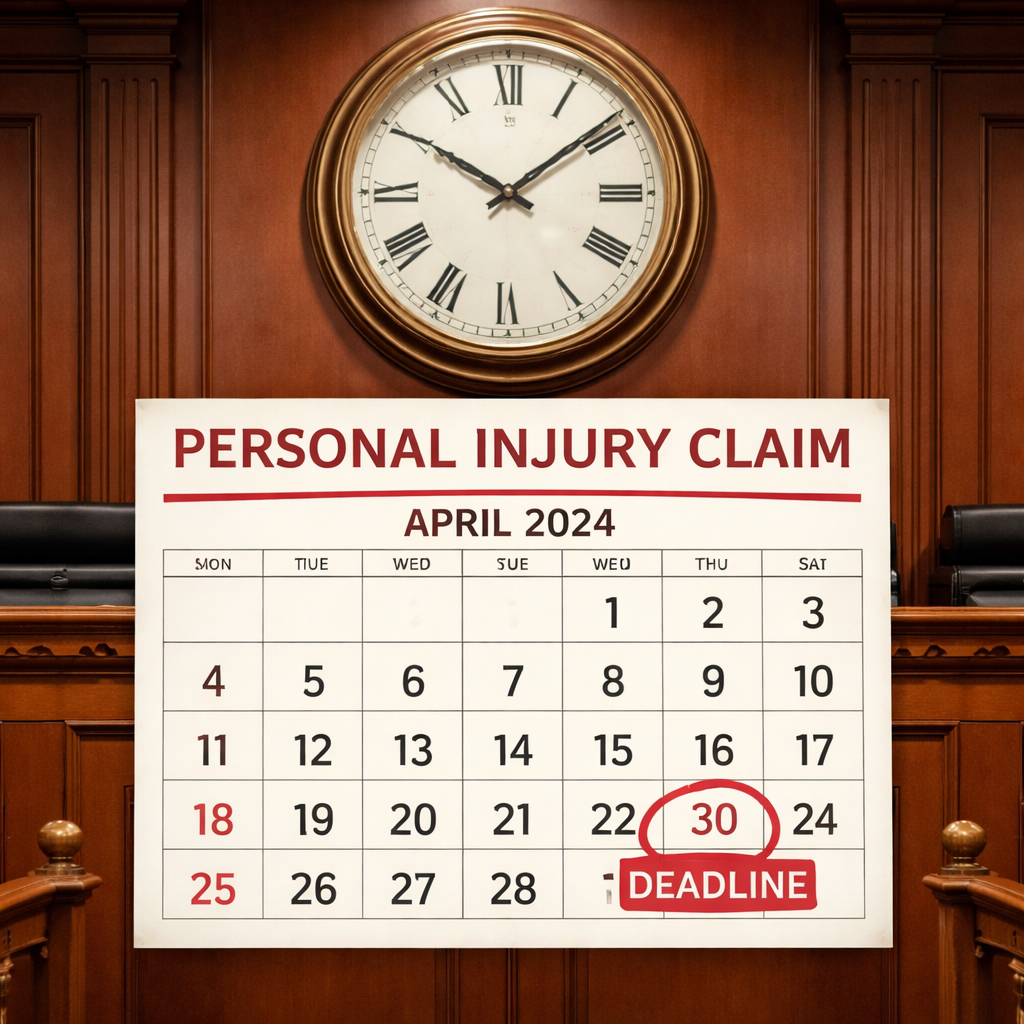
- Mark the deadline on your calendar.
Imagine you were hurt on July 1, 2024 in a state with a three‑year limit. Your deadline is July 1, 2027. If you wait until June 30, 2028, the claim is dead.
And if you’re not sure which rule applies, a quick look at the chart can save you weeks of stress.
One more thing: government entities often have shorter windows. If you’re injured on a city street, you may need to file a notice within 90 days before the lawsuit clock even starts.
How to Calculate the Deadline for Your Claim
Calculating the personal injury claim statute of limitations starts with two facts: the accident date and the state rule.
First, write down the exact date you were hurt. Then, look up your state’s rule. In New York, the New York personal injury deadline guide says you have three years from the accident.
But if you’re suing a city, the clock changes. You must file a notice within 90 days, then you have one year and 90 days to file the lawsuit.
And if the injury wasn’t obvious, the discovery rule may apply. That means you count from the day you or a reasonable person should have discovered the harm.
Here’s a step‑by‑step breakdown:
- Note the accident or discovery date.
- Identify the applicable state rule (standard, discovery, or government).
- Apply any tolling exceptions (see next section).
- Subtract holidays and court closures if you’re close to the deadline.
- Set a personal reminder at least 30 days before the last day.
Why this matters: missing the deadline by a single day can lead to a dismissal, even if you have strong evidence.
And the good news: you can use tools to estimate your settlement value while you track the deadline. How to Use a Personal Injury Settlement Calculator to Maximize Your Claim walks you through the numbers.
Remember, the deadline is not a suggestion. It’s a legal rule that courts enforce without mercy.
Common Exceptions That Can Extend or Pause the Statute
Even the strictest personal injury claim statute of limitations has built‑in pauses called “tolling.”
In Texas, the rule is two years, but the law lists several exceptions. The Texas personal injury deadline page notes that if the defendant leaves the state, the clock may stop until they return.
New York adds more nuance. The New York statute of limitations article explains that minors and incapacitated persons get a tolling period until they reach adulthood.
And if a doctor hides a foreign object, the discovery rule can give you a fresh year from when the object is found.
Here’s a quick table of common tolling triggers:
| Trigger | Effect on Clock |
|---|---|
| Minor (under 18) | Stops until the child turns 18. |
| Incapacity (mental) | Stops until capacity returns. |
| Defendant out of state | Stops while the defendant is absent. |
| Fraudulent concealment | Resets to date of discovery. |
But these exceptions are narrow. Courts require solid proof, such as medical records or police reports.
And the video below explains how a lawyer checks whether an exception applies.
Now, a real‑world look: A construction worker in Dallas fell from scaffolding and didn’t learn the employer hid safety logs until months later. The lawyer argued fraudulent concealment, and the court gave a new deadline based on the discovery date.
And remember, if you think an exception may apply, act fast. Waiting can make the court view the claim as abandoned.
Steps to Preserve Your Rights Before the Deadline
Protecting your claim starts the day after the injury. The personal injury claim statute of limitations does not wait for you to feel better.
First, gather evidence right away. The Nolo guide on preserving evidence lists the basics: photos, witness contacts, medical records.
Second, keep a diary of symptoms, doctor visits, and lost wages. This log will help you prove damages later.
Third, notify your insurance carrier promptly, but don’t give a recorded statement until you’ve spoken to a lawyer.
And if your injury happened on a property managed by a parking company, you might want to see how they handle liability. A&A Parking Management notes that clear safety policies can reduce accident risk, which is useful when you explain the setting of your claim.
Here are three actionable steps:
- Take photos within 24 hours. Capture the scene, injuries, and any hazards.
- Collect contact info from every witness. Names, phones, emails.
- Request all medical records. Ask your provider for a complete file.
Fourth, consult a lawyer early. They can file the necessary notice for government claims and help you navigate tolling rules.
Fifth, protect your digital evidence. Save texts, emails, and voicemails that mention the accident.
Sixth, avoid posting details on social media. Opposing parties can scrape posts and use them against you.

Finally, track the deadline. Put a reminder in your phone for 60 days before the last day, then another for 30 days, then one for 7 days.
By following these steps you keep the clock from running out while the evidence stays fresh.
Conclusion and Next Steps
The personal injury claim statute of limitations is a hard deadline that can make or break your case. You now know how the clock starts, how to calculate the exact date, what exceptions might pause it, and the daily actions you can take to keep your rights alive.
Don’t wait for pain to fade before you act. The sooner you gather evidence, the more likely you’ll get a fair settlement. If you’re unsure about any step, a quick call to a qualified attorney can clear up the confusion and set a filing date on your calendar.
Take the first step today: write down the accident date, snap a photo, and set a reminder for the filing deadline. Your future self will thank you.
Frequently Asked Questions
What triggers the personal injury claim statute of limitations?
The clock usually starts on the day the injury occurs or the day you discover the injury, depending on your state’s rule. For example, New York starts on the accident date, while some states use the discovery rule. Knowing the trigger helps you mark the correct deadline.
Can the statute of limitations be paused?
Yes. Courts may “toll” the deadline for reasons like the plaintiff being a minor, the defendant being out of state, or the injury being hidden by fraud. Each tolling claim needs solid proof, such as medical records or proof of the defendant’s absence.
How does filing a claim against a government entity differ?
Government claims often require a notice of claim before you can file a lawsuit. In New York, you have 90 days to file the notice, then one year and 90 days to file the suit. Missing the notice deadline usually bars the claim entirely.
What if I discover an injury years later?
If your state follows a discovery rule, the clock may reset to the date you learned about the injury. However, the rule is narrow and applies mostly to medical malpractice or hidden defects. You’ll need evidence that a reasonable person could not have discovered the injury earlier.
Do I need a lawyer to meet the deadline?
You don’t need a lawyer to file a claim, but an attorney can help you calculate the exact deadline, spot tolling exceptions, and ensure all paperwork is filed on time. Missing the deadline can mean losing the case, even with strong facts.
How far back can I file a wrongful death claim?
Wrongful death claims usually have a two‑year limit from the date of death, not the accident. Some states have special rules for minors or for claims under the Child Victims Act, which extends the deadline to age 55 for certain cases.
What evidence should I keep before filing?
Take photos of the scene, collect witness names, keep medical bills, and write a daily diary of pain and lost work. The Nolo guide stresses that fresh, detailed evidence is key to a successful claim.
Can I file a claim after the deadline if I missed it?
Generally no. Courts will dismiss a claim filed after the personal injury claim statute of limitations expires. Only rare “look‑back” statutes or successful tolling arguments might revive a dead claim, and those are hard to prove.
Think you have a case?
Our network of personal injury attorneys offers free consultations — no fees unless you win.
Get Your Free Case Review →